Salt Stain Removal: How to Fix White Carpet Residue During Pittsburgh Winters
Winter in Pittsburgh brings snow, ice, and freezing temperatures—but it also brings road salt, ice melt, and chemical residue that can seriously damage your carpets. Homeowners often notice white or gray powdery stains forming near entryways, hallways, and living rooms. These salt stains aren’t just cosmetic; they can permanently weaken carpet fibers if not removed correctly.
Understanding how salt affects carpets and when to call a professional carpet cleaner can make all the difference.
Why Salt Stains Are So Damaging to Carpets
Road salt and ice melt dissolve in melting snow and moisture from winter boots. As that moisture evaporates, salt crystals remain embedded in carpet fibers. These crystals act like tiny abrasives, cutting into the carpet every time someone walks across it.
Over time, salt residue can:
Cause visible white or chalky discoloration
Attract additional dirt and grime
Leave carpets feeling stiff or crunchy
Break down fibers, leading to premature wear
Create lingering odors when mixed with moisture
Vacuuming alone can’t remove salt completely—and in many cases, it pushes residue deeper into the carpet.
DIY Salt Stain Removal: What Homeowners Can Try
Step 1: Blot, Don’t Scrub
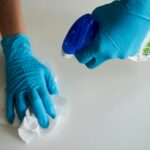
Use a clean white cloth and warm water to blot the stained area. Scrubbing can spread the salt and damage fibers.
Step 2: Neutralize the Salt
Mix equal parts white vinegar and warm water. Lightly dab the area to neutralize the salt residue.
Step 3: Dry Thoroughly
Allow the carpet to fully dry before vacuuming to remove loosened residue.
What to Avoid
Over-saturating carpets
Using harsh cleaners or soap residue
Scrubbing aggressively
Applying heat before salt is removed
DIY methods help with light surface staining but won’t remove deeply embedded salt.
Why Professional Salt Stain Removal Works Better
Professional carpet cleaners use hot water extraction and salt-neutralizing solutions designed specifically for winter damage. This process:
Flushes salt crystals from deep within fibers
Prevents fiber breakdown
Restores softness and color
Removes moisture and bacteria
Improves indoor air quality
For Pittsburgh homes with repeated winter exposure, professional salt removal is essential.
Why January Is the Best Time to Remove Salt Stains
January is when salt buildup is at its worst. Waiting until spring allows damage to worsen and stains to set permanently. Early winter cleaning protects carpets before irreversible wear occurs.
Conclusion
Salt stains are unavoidable during Pittsburgh winters—but permanent carpet damage isn’t. Professional carpet cleaning in January helps remove salt safely, restore carpet appearance, and extend the life of your floors.