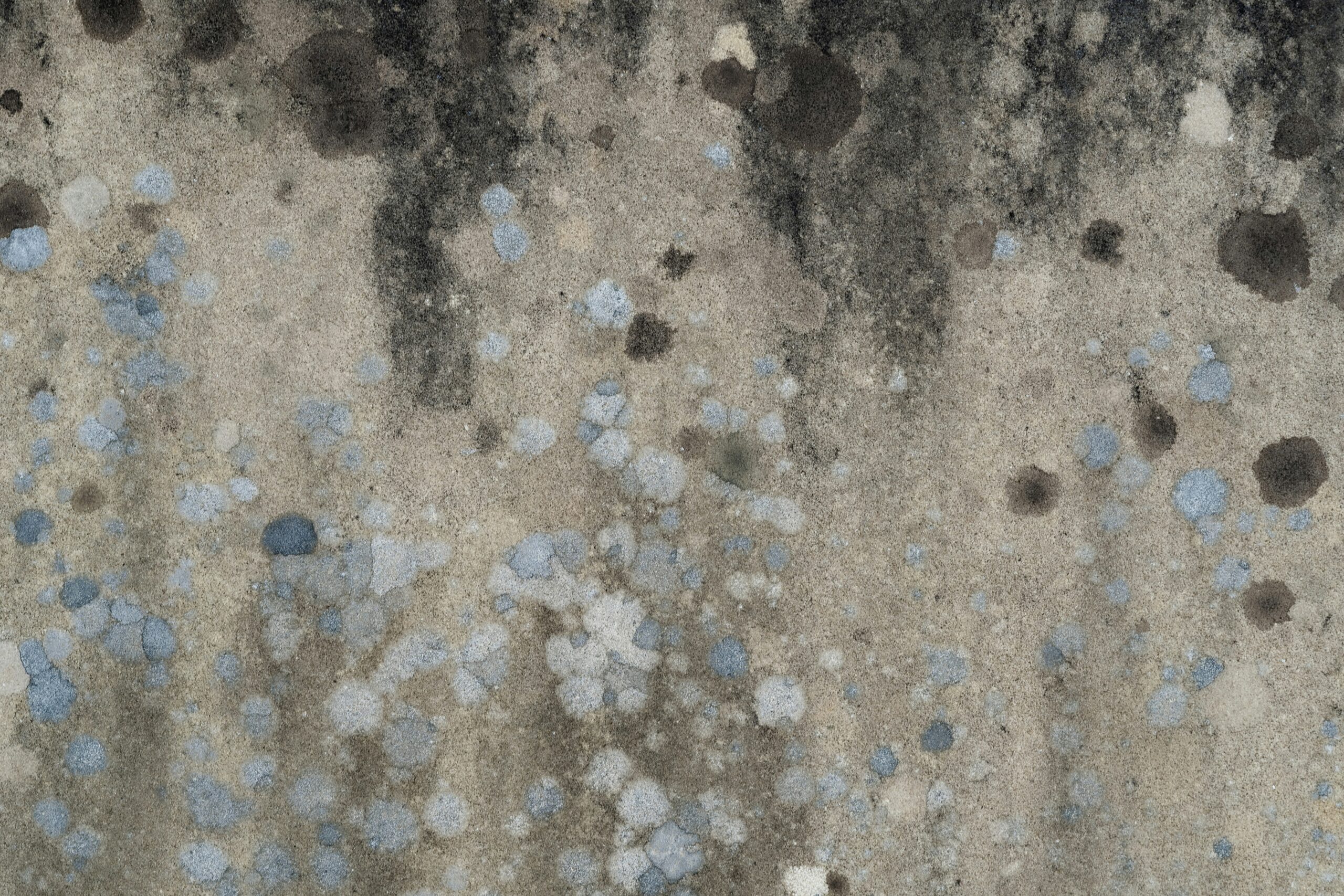
Flooded Carpet and Mold
Flooded Carpet? What to Do in the First 48 Hours to Stop Mold
A burst pipe, a failed sump pump, or a heavy rain can soak your carpet in minutes. What you do next matters. Wet carpet can start growing mold within 24 to 48 hours, and the longer water sits, the more damage it causes to the padding, subfloor, and your indoor air quality. This guide covers how to handle flooded carpet, how to dry wet carpet, and when to call a professional for water extraction.
Step 1: Stay Safe First
Before you touch anything, think about safety:
- Turn off power to the affected area if water is near outlets, appliances, or cords. Do not enter standing water if you are unsure.
- Identify the water source. Stop the leak or shut off the main valve if you can.
- Wear gloves and boots if the water might be contaminated.
Step 2: Know What Kind of Water You Have
The source of the water decides whether carpet can be saved.
- Clean water from a broken supply line or a clean appliance leak. Carpet is often salvageable if dried quickly.
- Gray water from a washing machine or dishwasher overflow. Carpet can sometimes be saved with fast, professional cleaning.
- Black water from sewage or river and storm flooding. Carpet and padding in contact with this contaminated water generally should be removed and replaced, not cleaned.
When in doubt, assume the water is contaminated and call a professional.
Step 3: Remove Water and Start Drying Fast
Speed is everything with water damaged carpet.
- Remove standing water with a wet/dry vacuum or pump.
- Lift furniture and place foil or plastic under the legs so wood and metal do not stain the carpet.
- Run fans and dehumidifiers and open windows if the air outside is drier than inside.
- Pull back the carpet if possible so the pad and subfloor can dry. Wet padding often has to be discarded.
- Remove soaked items like rugs, boxes, and stored belongings from the area.
Do not use a standard household vacuum on wet carpet, and do not use the furnace to blast hot air at a soaked floor without airflow to carry the moisture out.
Step 4: Watch for Mold in Carpet
Mold needs moisture, and wet carpet provides plenty. Signs of mold in carpet include:
- A musty or earthy smell
- Dark, green, or white spots on the carpet, pad, or baseboards
- Discoloration that returns after cleaning
- Allergy symptoms, coughing, or irritation that gets worse in the room
If carpet has been wet for more than a day or two and cannot be dried completely, replacement is often safer than trying to save it. Large areas of visible mold should be handled by a mold remediation specialist.
Why Pittsburgh Homes Are at Risk This Time of Year
Pittsburgh’s older housing stock, finished basements, rain, and snowmelt make water problems common in late fall and winter. Frozen pipes, clogged gutters, and sump pump failures are frequent causes. Basement flood carpet damage is especially risky because basements stay cool and humid, which slows drying and helps mold grow.
Professional Water Extraction vs. DIY Drying
A wet vacuum and fans work for small, clean spills. A professional carpet cleaner brings truck-mounted or powerful portable extraction equipment, air movers, and moisture meters that find water you cannot see. Professional water extraction pulls far more water out of the carpet and pad, which shortens drying time and lowers the chance of mold. Call as soon as possible after a flood, because the first 24 hours matter most.
How to Prevent Carpet Flooding and Mold
- Test your sump pump before heavy rain or snowmelt and consider a battery backup.
- Keep gutters clear and downspouts pointed away from the foundation.
- Insulate exposed pipes before hard freezes.
- Use a dehumidifier in basements and keep humidity below about 50 percent.
- Fix small leaks around water heaters, washers, and windows right away.
Frequently Asked Questions
Can flooded carpet be saved? Often, yes, if the water was clean and the carpet is dried within a day or two. Carpet exposed to sewage or floodwater usually must be replaced.
How long does it take for wet carpet to grow mold? Mold can begin growing within 24 to 48 hours of getting wet.
Can you dry wet carpet without removing it? Sometimes. Thin, clean-water spills can be dried in place with extraction and air movement, but the pad underneath may need to be lifted or replaced.
Do you offer emergency carpet cleaning in Pittsburgh? Contact Roth Carpet Cleaning right away if your carpet is wet. We will tell you what can be done and how soon we can get there.
Need Help With Flooded Carpet in Pittsburgh?
Do not wait for mold to take hold. Contact Roth Carpet Cleaning for fast help with wet carpet, water extraction, and cleaning after water damage. For the next time life gets messy, see our carpet cleaning services.